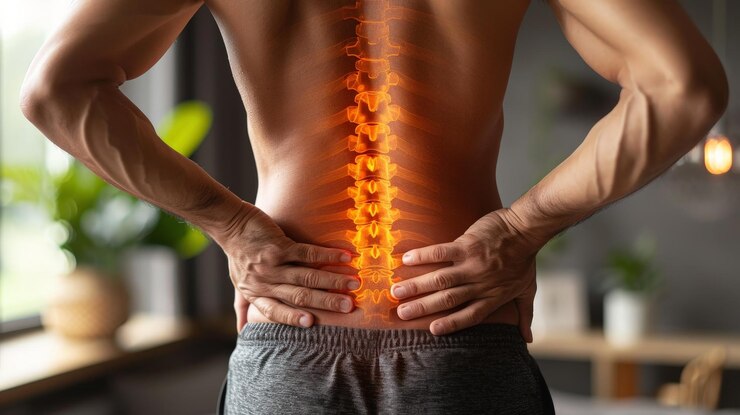
Lower back pain is one of the most common health problems affecting people of all ages. It can range from mild discomfort to severe pain that limits movement and daily activities. Many individuals experience low back pain due to poor posture, muscle strain or underlying health conditions.
Understanding the causes and learning effective ways to manage pain can significantly improve quality of life. Whether you’re dealing with occasional back ache or chronic pain early treatment and lifestyle changes play a key role. Identifying the right solution helps prevent long-term complications and supports overall spine health.
What Is Lower Back Pain?
Lower back pain refers to discomfort or stiffness in the area between the ribs and hips. It may be acute short-term or chronic lasting more than three months. The pain can vary in intensity and may spread to other areas like the legs.
Many people ask, why does my back hurt? The answer often depends on daily habits, posture, and physical activity levels. In some cases, pain may also indicate underlying medical issues that require proper diagnosis and treatment.
Lower Back Pain Causes
Understanding lower back pain causes is essential for effective treatment. Pain in the lower back can result from physical strain, structural problems or lifestyle habits. In many cases, multiple factors contribute to the condition.
Common pain in lower back causes include:
- Muscle strain or injury
Lifting heavy objects or sudden movements can strain muscles and cause pain. - Poor posture
Sitting or standing incorrectly for long periods puts stress on the spine. - Herniated discs
A slipped disc can press on nerves and cause pain or discomfort. - Lack of physical activity
Weak muscles provide less support to the lower back. - Excess weight
Extra body weight increases pressure on the spine and joints.
Lower Right Side Back Pain vs Left Lower Back Pain
Pain can sometimes occur on one side of the lower back, which may indicate specific issues. Understanding whether it is lower right side back pain or left lower back pain can help identify the root cause.
- Lower right side back pain
This may be caused by muscle strain, kidney issues, or nerve irritation. - Left lower back pain
Often linked to muscle tension, posture problems, or internal conditions. - Back pain on right side
Pain on one side may worsen with movement or physical activity. - Localized vs radiating pain
Pain that spreads to legs may indicate nerve involvement.
What Causes Lower Back Pain in Females?
Women may experience lower back pain due to additional hormonal and physiological factors. Understanding these causes helps in choosing the right treatment and prevention methods.
Common causes in females include:
- Hormonal changes
Menstrual cycles and hormonal shifts may cause temporary back pain. - Pregnancy
Extra weight and posture changes strain the lower back. - Pelvic conditions
Certain reproductive health issues may cause referred back pain. - Osteoporosis risk
Bone density loss can increase the likelihood of back pain.
How to Relieve Lower Back Pain
Managing pain early can prevent it from becoming severe or chronic. Knowing what to do for lower back pain can help reduce discomfort and improve mobility.
Effective ways to relieve pain include:
- Apply heat or cold therapy
Ice reduces inflammation while heat relaxes tight muscles. - Stay active
Light movement and walking can prevent stiffness and improve blood flow. - Maintain proper posture
Keeping your spine aligned reduces pressure on the lower back. - Use supportive seating
Chairs with lumbar support help reduce strain during sitting.
How to Relieve Severe Lower Back Pain
Severe pain requires more focused care and attention. Learning how to relieve severe lower back pain can help manage intense discomfort and avoid complications.
Helpful methods include:
- Rest for a short period
Avoid prolonged bed rest, but allow muscles time to recover. - Pain relief medication
Over-the-counter medicines may reduce inflammation and pain. - Physical therapy
Guided exercises strengthen muscles and improve flexibility. - Consult a healthcare professional
Persistent or intense pain may need medical evaluation.
Stretches for Lower Back Pain
Stretching plays a key role in relieving tension and improving flexibility. Regular stretches for lower back pain can reduce stiffness and prevent future injuries.
Effective stretches include:
- Knee-to-chest stretch
Helps relax lower back muscles and reduce tension. - Cat-cow stretch
Improves spinal flexibility and relieves stiffness. - Child’s pose
Gently stretches the lower back and promotes relaxation. - Hamstring stretch
Tight hamstrings can contribute to lower back discomfort.
How to Sleep with Lower Back Pain
Sleep position plays a major role in managing pain. Knowing how to sleep with lower back pain can improve rest and reduce discomfort during the night.
Tips for better sleep include:
- Sleep on your side
Place a pillow between your knees to align the spine. - Use a supportive mattress
A medium-firm mattress supports natural spinal curves. - Avoid sleeping on your stomach
This position puts extra stress on the lower back. - Maintain proper pillow height
Keeps your neck and spine aligned while sleeping.
How to Fix Lower Back Pain
Fixing lower back pain requires a combination of lifestyle changes and proper care. Long-term solutions focus on strengthening the back and improving daily habits.
Ways to fix and prevent pain include:
- Exercise regularly
Strengthening core muscles supports the spine. - Maintain a healthy weight
Reduces stress on the lower back. - Practice good posture daily
Proper alignment prevents unnecessary strain. - Avoid heavy lifting mistakes
Use correct techniques when lifting objects.
When to See a Doctor
Most cases of low back pain improve with home treatment but some symptoms require medical attention. Ignoring severe pain may lead to complications.
Consult a doctor if you experience:
- Pain lasting more than a few weeks
- Severe or worsening discomfort
- Numbness or tingling in legs
- Difficulty standing or walking
- Pain after injury or accident
Conclusion
Lower back pain is a common condition that can affect daily life and overall well-being. Understanding lower back pain causes and recognizing symptoms early can help prevent long-term issues. Whether it’s mild discomfort or severe pain taking the right steps can improve recovery.
By following proper treatment methods, doing regular stretches for lower back pain and maintaining a healthy lifestyle most people can manage or even prevent pain. Early care and consistent habits are the key to a strong and pain-free back.
FAQs
Why does my back hurt?
Back pain can occur due to muscle strain, poor posture, lack of exercise, or underlying medical conditions.
What causes lower back pain in females?
Hormonal changes, pregnancy, pelvic issues and bone health problems are common causes.
How to relieve lower back pain fast?
Apply heat or ice, stay active, maintain posture and perform gentle stretches.
How to sleep with lower back pain?
Sleep on your side with a pillow between your knees and use a supportive mattress.
What to do for lower back pain at home?
Use heat therapy, stay active, stretch regularly and avoid prolonged sitting or bed rest.