
ICD-10 Code J44.9 is the standard diagnosis code used to report chronic obstructive pulmonary disease (COPD), unspecified, when a healthcare provider confirms COPD but does not document an acute lower respiratory infection or an acute exacerbation. Accurate use of this COPD ICD-10 code is essential for proper medical documentation, insurance claim submission, healthcare reimbursement, and coding compliance.
For medical coders, billers, physicians, and healthcare organizations, understanding the J44.9 diagnosis code helps reduce claim denials while ensuring coding accuracy. This guide explains the code definition, documentation requirements, coding guidelines, reimbursement considerations, and common coding mistakes.
What Is ICD-10 Code J44.9?
ICD-10-CM Code J44.9 represents:
J44.9 – Chronic Obstructive Pulmonary Disease, Unspecified
This code is assigned when a patient has a documented diagnosis of chronic obstructive pulmonary disease (COPD) without further specification of:
- Acute exacerbation
- Acute lower respiratory infection
- Specific COPD subtype requiring another code
It falls under the ICD-10-CM category:
J44 – Other Chronic Obstructive Pulmonary Disease
The diagnosis includes patients with chronic airflow limitation caused by conditions such as chronic bronchitis or emphysema when documentation supports unspecified COPD.
Understanding Chronic Obstructive Pulmonary Disease (COPD)
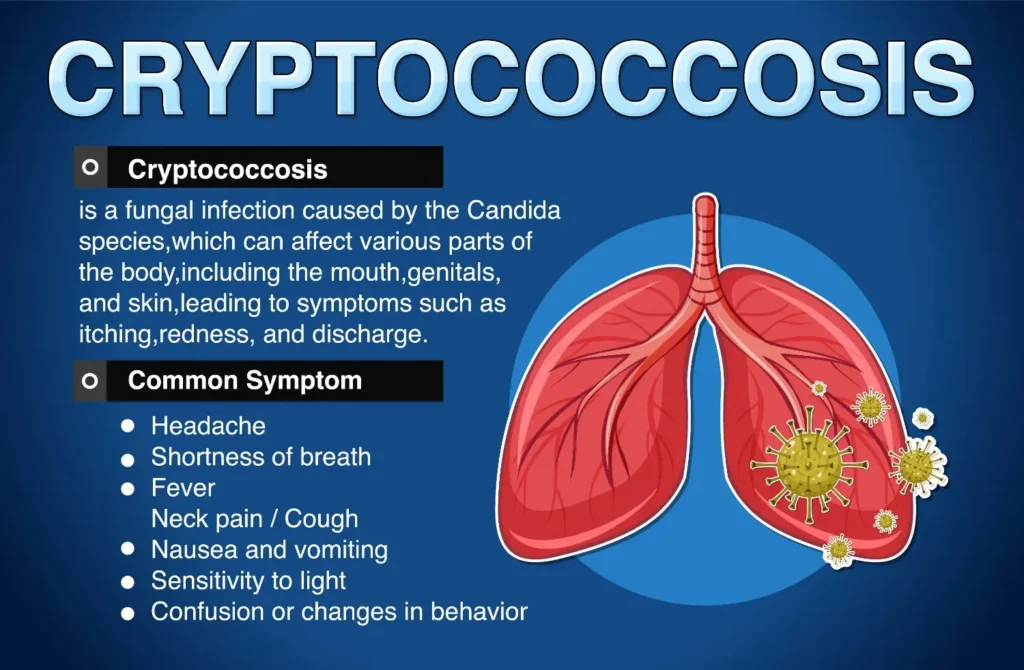
Chronic obstructive pulmonary disease is a progressive obstructive lung disease that limits airflow and makes breathing difficult. COPD commonly develops due to long-term smoking, environmental exposures, or genetic factors.
Common symptoms include:
- Persistent cough
- Chronic mucus production
- Wheezing
- Shortness of breath
- Chest tightness
- Reduced exercise tolerance
COPD is considered a chronic respiratory condition requiring continuous monitoring, medication management, and routine follow-up.
When Should J44.9 Be Used?
Assign ICD-10 Code J44.9 when documentation confirms COPD but does not identify:
- Acute exacerbation
- Acute bronchitis
- Pneumonia
- Influenza
- Other lower respiratory infection
Appropriate documentation examples include:
- COPD
- Stable COPD
- Chronic obstructive pulmonary disease
- Chronic airway obstruction
- COPD under routine management
The diagnosis must be documented by the treating provider.
When Should You NOT Use J44.9?
Do not assign J44.9 if documentation specifies another COPD condition requiring a different code.
Examples include:
| Clinical Documentation | Correct ICD-10 Code |
|---|---|
| COPD with acute exacerbation | J44.1 |
| COPD with acute lower respiratory infection | J44.0 |
| COPD with pneumonia | J44.0 + additional pneumonia code |
| Emphysema only | J43.- |
| Chronic bronchitis without COPD | Appropriate bronchitis code |
Selecting the correct diagnosis code ensures proper diagnosis coding guidelines and reimbursement.
ICD-10-CM Coding Guidelines for J44.9
The official J44.9 coding guidelines emphasize accurate provider documentation before code assignment.
Coders should verify:
- COPD diagnosis is documented
- No acute exacerbation is documented
- No acute respiratory infection is documented
- Documentation supports chronic disease management
- Coding follows ICD-10-CM coding conventions
If documentation lacks specificity, providers should be queried rather than assuming additional clinical conditions.
Documentation Requirements for J44.9
Accurate J44.9 documentation requirements begin with complete physician documentation.
Clinical documentation should include:
- Confirmed COPD diagnosis
- Patient history
- Respiratory assessment findings
- Current symptoms
- Treatment plan
- Medication management
- Smoking history when applicable
- Pulmonary function testing results (if available)
Good pulmonary disease documentation supports coding accuracy and improves healthcare reimbursement.
Clinical Documentation Improvement (CDI)
Strong clinical documentation improvement (CDI) programs help organizations capture the most accurate COPD diagnosis.
Providers should clearly document:
- Stable COPD
- COPD severity when known
- Presence or absence of exacerbation
- Respiratory infections
- Oxygen dependence if applicable
- Smoking status
- Treatment response
Clear documentation reduces coding uncertainty and improves claim quality.
Medical Billing and Reimbursement
Correct use of J44.9 reimbursement depends heavily on accurate documentation and payer requirements.
Proper coding helps:
- Support medical necessity
- Improve insurance claim submission
- Reduce coding-related denials
- Improve Medicare billing for COPD
- Ensure coding compliance
- Support healthcare reimbursement
Incorrect diagnosis coding may delay payment or trigger payer audits.
COPD Medical Billing Best Practices
Successful COPD medical billing includes more than assigning the diagnosis code.
Best practices include:
- Verify provider documentation before coding
- Review payer-specific documentation requirements
- Link diagnosis to medically necessary services
- Report additional conditions separately when documented
- Ensure coding accuracy before claim submission
- Follow ICD-10-CM coding conventions
These practices improve first-pass claim acceptance.
Common Coding Mistakes
Medical coders frequently encounter documentation issues when assigning COPD codes.
Avoid these common mistakes:
Coding J44.9 During an Acute Exacerbation
If documentation states “COPD with acute exacerbation,” report J44.1, not J44.9.
Missing Additional Diagnosis Codes
When COPD occurs with pneumonia or another respiratory infection, additional diagnosis codes may be required.
Assuming Clinical Conditions
Never assign acute exacerbation based solely on symptoms.
Only code documented diagnoses.
Ignoring Provider Documentation
Coding should always reflect physician documentation rather than clinical assumptions.
Documentation Tips for Physicians
To support accurate COPD diagnosis coding, providers should document:
- COPD type
- Stable versus exacerbated disease
- Respiratory infections
- Current medications
- Smoking history
- Oxygen therapy
- Pulmonary function test findings
- Clinical assessment
- Disease progression
Detailed documentation improves coding precision and reimbursement.
Claim Denial Prevention
Proper coding significantly reduces payer denials.
To improve claim denial prevention:
- Follow diagnosis coding guidelines
- Verify documentation completeness
- Use the most specific diagnosis available
- Review payer documentation requirements
- Perform coding audits regularly
- Educate providers on documentation quality
Accurate documentation remains the strongest defense against denied claims.
Coding Accuracy and Compliance
Maintaining coding accuracy requires continuous education and compliance with official coding standards.
Healthcare organizations should:
- Conduct internal coding audits
- Train coders on respiratory disease coding
- Monitor coding updates annually
- Improve physician documentation
- Implement CDI initiatives
- Review denied claims for trends
These practices improve both compliance and revenue cycle performance.
Frequently Asked Questions
What does ICD-10 Code J44.9 mean?
J44.9 represents chronic obstructive pulmonary disease (COPD), unspecified, without documentation of an acute exacerbation or lower respiratory infection.
Is J44.9 used for emphysema?
Only when provider documentation identifies COPD. Pure emphysema without COPD is generally reported using the appropriate J43 category code.
Can J44.9 be billed with pneumonia?
Yes. When documentation supports COPD with an acute lower respiratory infection, additional diagnosis coding may be required according to ICD-10-CM guidelines.
Does Medicare reimburse J44.9?
Yes. Medicare billing for COPD depends on medical necessity, complete documentation, correct diagnosis coding, and payer policies.
What documentation supports J44.9?
Provider documentation should clearly confirm COPD, include respiratory assessment findings, treatment plans, and indicate that no acute exacerbation or lower respiratory infection is present.
Conclusion
ICD-10 Code J44.9 is the appropriate diagnosis code for COPD unspecified when the provider documents chronic obstructive pulmonary disease without an acute exacerbation or lower respiratory infection. Accurate physician documentation, adherence to ICD-10-CM coding conventions, and careful review of payer documentation requirements are essential for proper COPD diagnosis coding, successful insurance claim submission, and timely healthcare reimbursement.
By following established coding guidelines, improving clinical documentation, and maintaining coding compliance, healthcare providers and medical billing professionals can minimize claim denials while supporting high-quality patient care.