
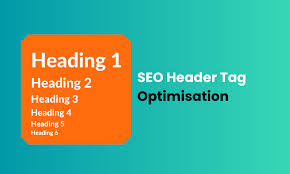
Using headings correctly is one of the simplest yet most powerful on-page SEO techniques and it’s still widely misunderstood. Many websites either overuse headings for styling or underuse them entirely, missing out on a major opportunity to improve rankings, readability, and AI visibility.
In 2026, proper heading structure matters more than ever. Search engines, AI Overviews, voice assistants, and users all rely on clear content hierarchy to understand what a page is about. When H1, H2, and H3 headings are used correctly, they help search engines interpret context, improve user experience, and increase your chances of ranking for multiple related queries.
This guide explains how to use H1, H2, and H3 headings for SEO with proper structure, in a clear, practical, and beginner-friendly way.
Why Heading Structure Matters for SEO, AEO, and AI Search
Headings create a roadmap for your content. They help search engines crawl your page efficiently and allow users to scan information quickly—especially on mobile devices.
From an SEO and AEO perspective, headings:
- Clarify the main topic and subtopics
- Improve content readability and engagement
- Help Google extract answers for featured snippets and AI Overviews
- Support accessibility and screen readers
- Strengthen topical relevance without keyword stuffing
In short, headings are not just formatting elements—they are semantic signals.
What Is an H1 Heading and How to Use It Correctly
The H1 heading is the main title of your page. It tells search engines and users what the page is primarily about.
Best practices for H1:
- Use only one H1 per page
- Clearly describe the page topic
- Include the primary keyword naturally
- Match search intent
- Keep it concise and user-focused
A strong H1 sets expectations. If your H1 is unclear or misleading, users may leave—and search engines will notice.
How H2 Headings Organize Content for Better SEO
H2 headings divide your content into main sections that support the H1. They act as the backbone of your article structure.
Well-written H2 headings:
- Break long content into readable sections
- Help search engines understand subtopics
- Allow natural use of LSI and semantic keywords
- Improve time on page and user experience
For example, instead of repeating your main keyword, H2s should expand on related ideas such as best practices, benefits, or explanations.
This is how you build topical authority without over-optimization.
When and How to Use H3 Headings Effectively
H3 headings are used under H2s to further explain details. They are ideal for breaking down complex information into digestible parts.
H3s work best when:
- Explaining steps or processes
- Answering specific questions
- Detailing features or examples
- Structuring lists or comparisons
From an AEO standpoint, H3 headings often become direct answer sections that AI tools and voice assistants pull from.
Proper Heading Hierarchy: The Correct Order
One of the most common SEO mistakes is skipping heading levels or using them out of order.
Correct structure:
- H1: Main topic
- H2: Core sections
- H3: Subsections within H2
What to avoid:
- Multiple H1s on one page
- Jumping from H1 to H3
- Using headings only for visual styling
- Overloading headings with keywords
Search engines expect logical structure—not decoration.
How to Optimize Headings with Keywords (Without Stuffing)
Headings are an ideal place to include keywords, but they must sound natural.
Smart keyword usage:
- Primary keyword → H1
- LSI / semantic keywords → H2 and H3
- Focus on meaning, not repetition
- Write for users first, algorithms second
Examples of natural variations:
- heading structure for SEO
- on-page SEO headings
- SEO content hierarchy
- H1 H2 H3 best practices
This approach strengthens relevance while avoiding penalties.
Headings and AEO: Optimizing for AI Overviews
AI-driven search tools prefer content that is:
- Clearly structured
- Easy to scan
- Directly answers questions
To optimize headings for AEO:
- Use descriptive, question-based H2 or H3 headings
- Provide concise answers immediately below headings
- Avoid vague titles like “Overview” or “More Information”
This increases visibility in AI Overviews, featured snippets, and voice search results.
GEO Optimization: Using Headings for Local Relevance
For USA-based audiences, headings can subtly support geo targeted SEO.
Best practices:
- Use regionally relevant examples where appropriate
- Address local search behavior naturally
- Avoid forced location keywords in every heading
This helps search engines deliver your content to the right geographic audience without appearing spammy.
Common Heading Mistakes That Hurt SEO
Many websites lose rankings due to simple heading errors, including:
- Using multiple H1 tags
- Keyword stuffing in headings
- Skipping heading levels
- Writing vague or generic headings
- Using headings purely for design
Fixing these issues often leads to noticeable improvements in crawlability and engagement.
How Proper Headings Improve User Experience
Headings help users scan, understand, and navigate content quickly. This is especially important for mobile users and busy readers.
Better user experience leads to:
- Lower bounce rates
- Higher time on page
- Stronger engagement signals
And those signals indirectly support better rankings.
FAQs
1. How many H1 tags should a page have?
Only one. A single H1 clearly defines the main topic of the page.
2. Do headings affect SEO rankings?
Yes. Headings help search engines understand content structure and relevance, which supports rankings.
3. Can H2 and H3 headings include keywords?
Yes, but naturally. Use variations and semantic keywords rather than repeating the same phrase.
4. Is it bad to skip heading levels?
Yes. Skipping from H1 to H3 breaks content hierarchy and can confuse search engines.
5. Are headings important for AI Overviews?
Absolutely. AI tools rely on structured headings to extract and summarize answers.
Conclusion: Why Heading Structure Is a Core SEO Skill
Using H1, H2, and H3 headings correctly is not advanced SEO—it’s essential SEO. Proper structure helps search engines understand your content, improves visibility in AI-powered search, and creates a better experience for users.
If you focus on clarity, hierarchy, and relevance, your content will naturally perform better—without relying on keyword stuffing or shortcuts.