
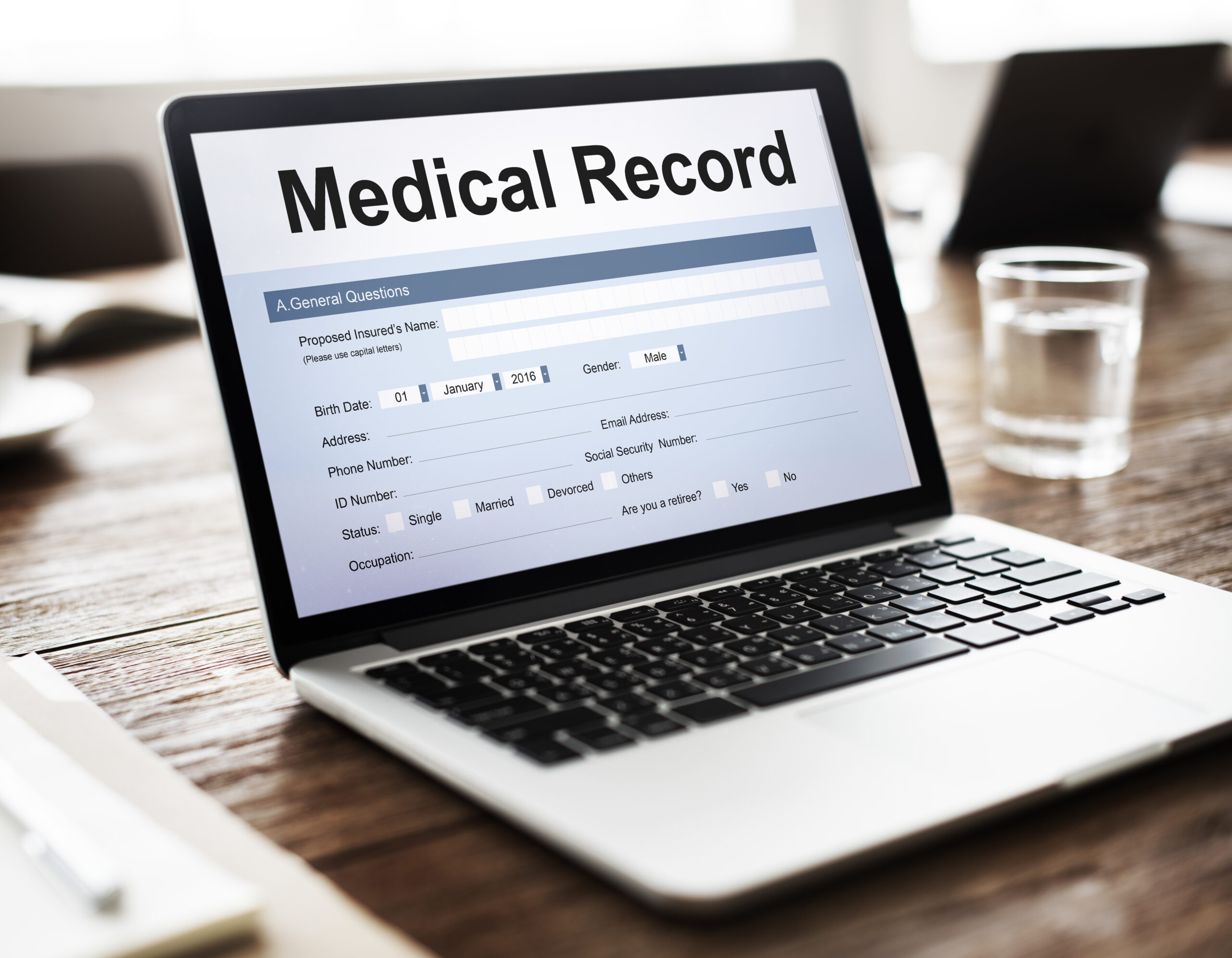
Healthcare documentation has evolved far beyond paper charts stacked in filing cabinets. Today, clinics and hospitals rely on digital systems to manage patient information efficiently and securely. If you’ve ever searched what is an EMR, you’re likely trying to understand how electronic medical record systems work how they differ from EHRs and why they matter in modern medical practice.
This comprehensive guide explains the EMR meaning, features, benefits and real-world applications—while helping healthcare professionals, students and medical business owners make informed decisions.
What Is an EMR?
An EMR (Electronic Medical Record) is a digital version of a patient’s paper chart used within a single healthcare organization. It contains medical history diagnoses, medications treatment plans, immunization dates, allergies, lab results, and physician notes.
In simple terms, an EMR replaces traditional paper-based documentation with structured electronic records.
When people ask what is an EMR in medical practice, they are referring to the internal record system used by doctors and healthcare providers to document and track patient care over time.
What Is an EMR System?
An EMR system is the software platform that allows healthcare providers to create, manage, and store electronic medical records. It streamlines clinical workflows by centralizing patient information in one secure digital environment.
A typical EMR system includes:
- Patient demographics and contact details
- Clinical documentation and progress notes
- Medication and allergy lists
- Diagnostic reports and lab results
- Appointment and visit summaries
- Billing and coding support tools
Understanding what is an EMR system is essential for healthcare facilities evaluating digital transformation options.
What Is an Electronic Medical Record (EMR)?
The term electronic medical record EMR simply emphasizes the digital nature of the system. It refers specifically to records maintained within one practice, clinic, or hospital.
Unlike broader health record systems, EMRs are not primarily designed for seamless data sharing between different healthcare organizations. Instead, they focus on improving internal documentation, efficiency, and patient management.
EMR Meaning in Healthcare
The EMR meaning in healthcare goes beyond digitization. It represents a shift toward data-driven clinical care. Electronic records allow physicians to quickly access a patient’s complete medical history, identify patterns, and make more informed treatment decisions.
Instead of flipping through paper files, providers can retrieve accurate, real-time information with just a few clicks. This improves accuracy, reduces errors, and enhances overall patient safety.
EMR vs EHR: Understanding the Difference
One of the most common points of confusion is EHR vs EMR. Although the terms are often used interchangeably, they are not identical.
- EMR (Electronic Medical Record): Used within a single healthcare organization.
- EHR (Electronic Health Record): Designed to share patient information across multiple healthcare providers and systems.
In other words, an EMR is more practice-centered, while an EHR is patient-centered and interoperable across different facilities.
Understanding this distinction is important when selecting the right system for your healthcare organization.
Key Benefits of EMR Systems
Electronic medical record systems offer numerous advantages for healthcare providers and administrators.
1. Improved Documentation Accuracy
Digital records reduce handwriting errors and incomplete documentation, ensuring more reliable patient data.
2. Faster Access to Information
Physicians can quickly review medical histories, lab reports, and medication lists without searching through paper files.
3. Enhanced Workflow Efficiency
Automated templates and structured documentation streamline clinical processes.
4. Better Compliance and Reporting
EMR systems support regulatory requirements and simplify reporting for audits and quality improvement programs.
5. Cost Savings Over Time
Although implementation requires investment, EMRs reduce long-term administrative costs related to paper storage and manual record management.
How EMRs Improve Patient Care
Electronic medical record systems directly impact patient care quality. When providers have instant access to accurate data, they can:
- Detect potential drug interactions
- Monitor chronic conditions more effectively
- Track patient progress over time
- Reduce duplicate testing
- Improve treatment coordination within the organization
The ability to analyze trends in patient data also supports preventive care strategies.
Common Features of Modern EMR Systems
Today’s EMR platforms often include advanced features that go beyond basic documentation:
- Clinical decision support tools
- E-prescribing capabilities
- Integrated billing and coding modules
- Appointment scheduling
- Secure messaging
- Reporting dashboards
These tools make EMRs essential for efficient practice management.
Challenges of Implementing an EMR
Despite the advantages, implementing an EMR system can present challenges.
Initial Costs
Software licensing, hardware upgrades, and staff training can require significant upfront investment.
Staff Training
Healthcare providers must adapt to new workflows and digital documentation processes.
Limited Interoperability
Unlike EHR systems, EMRs may not easily exchange data with external healthcare organizations.
However, with proper planning and vendor selection, these challenges can be managed effectively.
Who Uses EMR Systems?
EMR systems are commonly used in:
- Private physician practices
- Specialty clinics
- Outpatient care centers
- Small and mid-sized hospitals
Any healthcare organization that needs efficient internal documentation can benefit from adopting an EMR system.
Why EMRs Are Essential in Modern Healthcare
The healthcare industry continues to move toward digital transformation. Electronic medical records are no longer optional for competitive, compliant, and patient-focused medical practices.
By improving documentation accuracy, increasing efficiency, and supporting informed decision-making, EMRs play a foundational role in modern healthcare operations.
As patient expectations rise and regulatory requirements evolve, electronic systems provide the structure needed to maintain high-quality standards.
Frequently Asked Questions
What is an EMR in simple terms?
An EMR is a digital version of a patient’s paper chart used within a single healthcare organization.
What is the difference between EMR and EHR?
An EMR is used internally within one practice, while an EHR is designed to share patient information across multiple healthcare providers.
Why are EMR systems important?
They improve documentation accuracy, streamline workflows, and enhance patient care quality.
Are EMRs secure?
Yes, reputable EMR systems use encryption and access controls to protect patient information and maintain compliance.
Final Thoughts
Understanding what is an EMR is crucial for healthcare professionals, administrators, and medical entrepreneurs navigating today’s digital healthcare environment. Electronic medical record systems replace outdated paper documentation with secure, structured, and efficient digital records.
While they may not offer the same level of interoperability as EHR systems, EMRs remain a critical tool for internal patient management and clinical workflow optimization. As healthcare continues to evolve, adopting the right EMR system can significantly improve both operational performance and patient outcomes.
