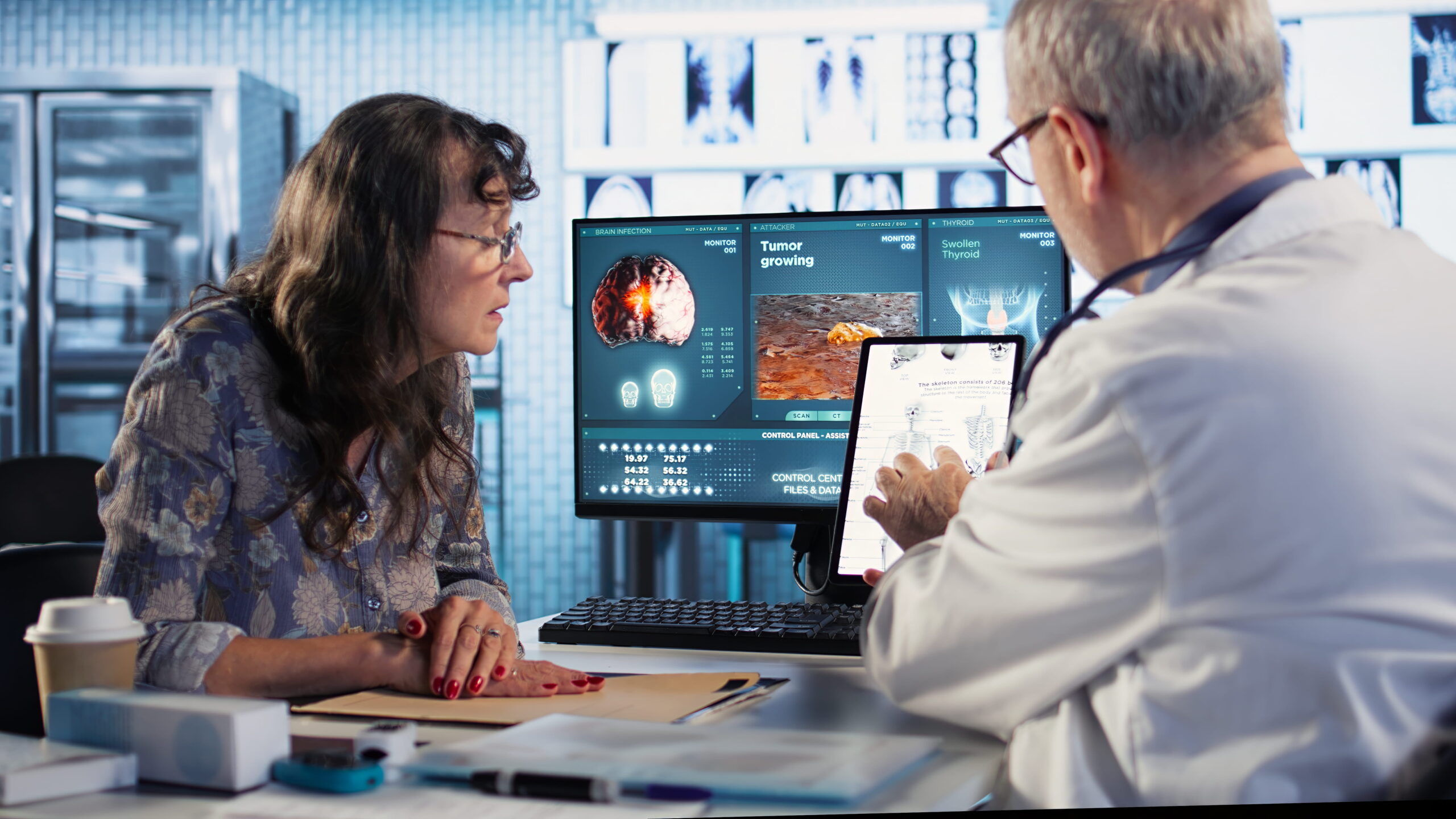
Healthcare is no longer just reactive it’s becoming predictive. Instead of waiting for diseases to progress, hospitals and providers now use data-driven intelligence to anticipate risks, prevent complications, and improve patient outcomes. This transformation is powered by predictive analytics in healthcare.
From early disease detection to operational efficiency, predictive models are reshaping modern medicine. In this guide you’ll learn what healthcare predictive analytics is, how it works its real-world applications and the key benefits for providers and patients.
What Is Predictive Analytics in Healthcare?
Predictive analytics in healthcare refers to the use of historical data, statistical algorithms, artificial intelligence (AI) and machine learning to forecast future health outcomes.
It analyzes patterns in:
- Electronic health records (EHRs)
- Medical claims data
- Lab results
- Wearable device data
- Population health databases
By identifying trends and risk factors, predictive systems help providers make proactive decisions instead of reactive ones.
Predictive analytics in healthcare is the use of patient and clinical data to predict future health risks, outcomes, and resource needs using AI and statistical models.
How Predictive Analytics and Healthcare Work Together
Healthcare generates massive amounts of data daily. On its own, raw data has limited value. Predictive analytics transforms that data into actionable insights.
Here’s how predictive analytics and healthcare systems integrate:
- Data Collection – Information is gathered from EHRs, billing systems, and patient monitoring tools.
- Data Processing – Algorithms clean and organize the data.
- Pattern Identification – Machine learning models detect trends.
- Risk Scoring – Patients receive risk scores for conditions like diabetes, heart disease, or readmission.
- Clinical Decision Support – Providers receive alerts and recommendations.
This collaboration enables personalized treatment plans, better resource allocation, and improved population health management.
Real-World Applications of Healthcare Predictive Analytics
1. Early Disease Detection
Predictive models can identify patients at risk for chronic diseases such as diabetes, hypertension, or cancer before symptoms worsen.
2. Hospital Readmission Prevention
Hospitals use healthcare predictive analytics to identify patients likely to be readmitted within 30 days and intervene early.
3. Emergency Department Optimization
Predictive tools forecast patient inflow, helping hospitals manage staffing and reduce wait times.
4. Personalized Treatment Plans
Predictive analytics for healthcare supports precision medicine by recommending tailored therapies based on patient history.
5. Fraud Detection
Insurance providers use predictive models to detect unusual billing patterns and prevent fraud.
Benefits of Predictive Analytics in Healthcare
The benefits of predictive analytics in healthcare extend across clinical, financial, and operational domains.
1. Improved Patient Outcomes
Early risk detection allows preventive care, reducing complications and mortality rates.
2. Cost Reduction
By preventing unnecessary admissions and procedures, predictive systems help control healthcare spending.
3. Better Resource Allocation
Hospitals can predict patient volumes and optimize staffing, equipment, and bed availability.
4. Enhanced Population Health Management
Healthcare organizations can identify high-risk groups and implement targeted intervention programs.
5. Data-Driven Decision Making
Providers move from intuition-based decisions to evidence-based clinical strategies.
Technologies Powering Predictive Analytics for Healthcare
Several advanced technologies enable predictive modeling:
- Artificial Intelligence (AI)
- Machine Learning (ML)
- Big Data Analytics
- Natural Language Processing (NLP)
- Cloud Computing
These technologies work together to process complex datasets quickly and accurately.
Challenges in Implementing Predictive Analytics in Healthcare
While powerful, predictive analytics adoption comes with challenges:
Data Privacy & Security
Healthcare data must comply with strict regulations like HIPAA (in the U.S.).
Data Quality Issues
Incomplete or inaccurate data can reduce model accuracy.
Integration with Legacy Systems
Older hospital systems may struggle to integrate with modern analytics platforms.
Skill Gaps
Healthcare organizations may lack data scientists and analytics experts.
Overcoming these challenges requires investment in infrastructure, training, and compliance frameworks.
Future of Predictive Analytics and Healthcare
The future of predictive analytics in healthcare looks promising. Emerging trends include:
- Real-time predictive monitoring through wearable devices
- AI-driven diagnostics
- Predictive genomics
- Remote patient monitoring integration
- Advanced risk stratification for value-based care
As healthcare continues shifting toward value-based models, predictive analytics will play a central role in delivering efficient, personalized care.
Why Healthcare Organizations Must Adopt Predictive Analytics
Healthcare is becoming increasingly complex due to aging populations, chronic diseases, and rising costs. Predictive analytics for healthcare provides a competitive advantage by:
- Enhancing care quality
- Reducing operational inefficiencies
- Supporting strategic planning
- Strengthening financial performance
Organizations that invest early in healthcare predictive analytics are better positioned for long-term sustainability.
Frequently Asked Questions (FAQs)
What is predictive analytics in healthcare?
Predictive analytics in healthcare uses data, algorithms, and AI to forecast patient outcomes, disease risks, and operational needs.
How does predictive analytics improve patient care?
It identifies high-risk patients early, enabling preventive interventions and personalized treatment plans.
What are the benefits of predictive analytics in healthcare?
Key benefits include improved outcomes, reduced costs, better resource allocation, fraud detection, and enhanced population health management.
Is predictive analytics secure in healthcare?
Yes, when implemented properly with regulatory compliance and cybersecurity measures, predictive analytics systems are secure.
Who uses healthcare predictive analytics?
Hospitals, insurance companies, public health agencies, and healthcare providers use predictive analytics for decision-making and risk management.
Conclusion
Predictive analytics in healthcare is transforming the medical industry from reactive treatment to proactive prevention. By leveraging data, AI, and machine learning, healthcare organizations can forecast risks, enhance patient outcomes, and reduce costs.
As technology evolves, predictive analytics and healthcare will become even more interconnected, driving innovation in diagnostics, personalized medicine, and population health management.
Healthcare providers that embrace predictive analytics today are building a smarter, more efficient, and patient-centered future.
