
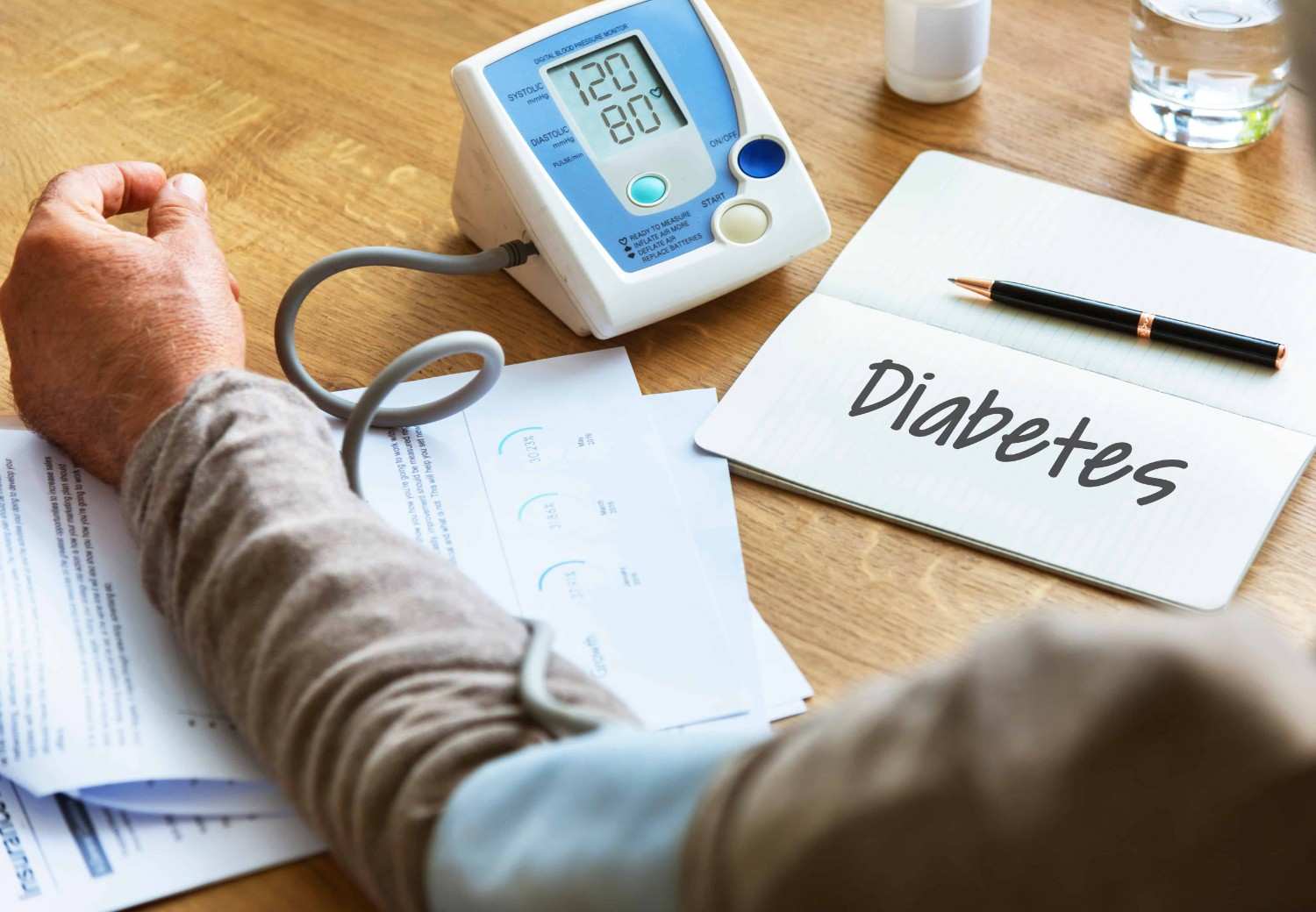
Diabetes is a condition where your body can’t properly use or make insulin the hormone that helps turn glucose into energy. This leads to high blood sugar, which over time can affect organs and overall health. Recognizing the early signs of diabetes helps you act before serious complications develop. Many early symptoms seem mild but can signal a developing metabolic imbalance.
What Are the Early Signs of Diabetes?
The onset of diabetes often begins with subtle changes in your body that are easy to overlook. These early indicators may occur in both type 1 and type 2 diabetes though the timeline and severity differ. If you’ve been wondering how do I know if I have diabetes? begin by noticing changes in thirst, appetite or energy levels. Early testing can confirm the condition before it worsens.
- Frequent urination: You may go to the bathroom more than usual, especially at night. This happens when excess glucose pulls water out of cells and into the urine.
- Increased thirst: Constantly feeling thirsty even after drinking fluids is a hallmark of rising blood sugar levels.
- Extreme fatigue: Feeling unusually tired despite rest can occur when glucose can’t enter cells for energy.
- Unexplained weight loss: Your body breaks down fat and muscle for energy when it can’t use glucose properly.
- Blurred vision: Fluid shifts from high blood sugar can change the shape of the eye’s lens and disrupt focus.
- Dry or itchy skin: High glucose can lead to dehydration and itchiness, especially around the groin or vaginal area.
Early Warning Signs of Type 1 Diabetes vs. Type 2
Type 1 diabetes often appears suddenly and severely, whereas type 2 develops gradually and may go unnoticed for years. Knowing the differences helps you decide when to seek urgent care. Type 1 usually occurs in children and young adults, but can happen at any age. Type 2 is more common in adults, though rates in children are rising globally.
Type 1 Diabetes:
- Rapid onset of symptoms: Changes occur in days or weeks rather than months.
- Sudden tiredness: Intense fatigue not relieved by sleep can signal insulin deficiency.
- Greater hunger: Cells can’t use glucose for energy, causing more eating without satisfaction.
- Unintended weight loss: Rapid weight change is common when insulin is absent.
Type 2 Diabetes:
- Slow symptom development: Signs may build gradually and go unnoticed at first.
- Mild or vague symptoms: Fatigue or thirst may seem like normal life stress.
- Frequent infections: Yeast, gum, or urinary infections can occur more often.
- Slow‑healing wounds: High sugar slows immune responses and circulation.
Diabetes Early Signs in Women vs. Men
Early symptoms of diabetes can overlap, but some signs are more common or pronounced in one gender than the other. Recognizing these differences helps you interpret your own symptoms accurately. Women are more prone to certain infections, while men may notice changes in muscle or sexual health first.
Women:
- Recurrent yeast or urinary infections: High glucose feeds yeast and bacteria, leading to frequent infections.
- Vaginal discomfort: Persistent fungal flares can occur even with good hygiene.
- Unusual fatigue: Extreme tiredness can be misattributed to stress or sleep disruption.
- PCOS complications: Women with polycystic ovary syndrome may see worsened metabolic imbalance.
Men:
- Loss of muscle mass: High blood sugar can reduce muscle strength over time.
- Erectile dysfunction: Nerve and blood vessel damage may affect sexual health.
- Low energy levels: Persistent tiredness may impact daily productivity.
- Mood changes: Irritability linked to fluctuating glucose levels is common.
Early Signs of Diabetes in Children
Early symptoms in children may look like everyday childhood behaviors, so it’s important for parents to notice patterns. Diabetes in children can be life‑altering if untreated, particularly type 1, which can progress quickly. If you’ve been asking yourself do I have diabetes? because your child seems off, check for these signs.
- Excessive thirst and urination: Your child may ask for drinks often and wake up at night to pee.
- Sudden weight loss: Losing weight without decreased eating can be a red flag.
- Extreme tiredness or lethargy: Lack of energy at school or play.
- Behavior changes: Irritability or mood swings not tied to routine causes.
Early Symptoms of Type 2 Diabetes in Children
Type 2 diabetes was once rare in children, but it’s becoming more common due to lifestyle and diet changes. Symptoms may be subtle, so early awareness is key. Watch for changes that are more than just typical growing pains or mood swings.
- Darkened skin patches: Areas like the neck and armpits may appear velvety.
- Unexplained weight change: Unlike normal growth patterns, weight loss without reason is concerning.
- Blurry vision: Vision changes that aren’t corrected with glasses should be checked.
- Frequent infections: Especially yeast or skin infections that recur.
Early Signs of Gestational Diabetes
Gestational diabetes often has no clear symptoms, and screening is routine in pregnancy. However, some women experience mild signs that should not be ignored. Early detection protects both mother and baby and can guide dietary and monitoring strategies.
- Unusual thirst and urination: These can be mistaken for normal pregnancy changes.
- Extreme fatigue: More than expected at a given stage of pregnancy.
- Dry mouth: Caused by fluid loss from frequent urination.
- Mild nausea: Not severe morning sickness, but persistent general discomfort.
Warning Signs of Diabetes Complications
If diabetes goes unchecked, persistently high blood sugar can damage nerves, blood vessels and organs. Recognizing these warning signs of complications helps you seek care before severe issues develop. Don’t ignore new or worsening symptoms.
- Slow‑healing wounds: Cuts or sores lingering longer than usual.
- Numbness/tingling: Sensations in hands or feet can signal nerve damage.
- Vision changes: Ongoing blurred vision could indicate retinopathy.
- Darkened skin patches: Acanthosis nigricans around neck or groin.
When to Call Your Doctor
Early medical evaluation is essential if you notice persistent or multiple warning signs of diabetes. Timely testing including blood sugar and A1C tests can confirm a diagnosis and lead to effective care. Don’t assume symptoms are just stress or aging.
- Persistent thirst and frequent urination: Especially if it lasts more than a few weeks.
- Unexplained weight loss: Weight change without dieting is concerning.
- Extreme fatigue or blurry vision: These affect daily life and warrant testing.
- New numbness or recurring infections: May signal complications needing treatment.
FAQs
Q1: What are the most common early signs of diabetes?
A: Frequent urination, excessive thirst, fatigue, blurred vision, and unexplained weight loss.
Q2: How do I know if I have diabetes before symptoms get severe?
A: Notice changes in thirst, energy, or bathroom habits and consult your doctor for blood sugar testing.
Q3: Can early diabetes symptoms go unnoticed?
A: Yes — especially with type 2, symptoms develop slowly or may be mild at first.
Q4: Are diabetes symptoms the same in men and women?
A: Many are similar, but women may experience more infections while men may note muscle loss or sexual health changes.
Q5: When should children be tested for diabetes?
A: If you notice frequent thirst, urination, extreme fatigue, or unexplained behavior changes especially if there’s a family history.
Conclusion
Knowing the early signs of diabetes helps you act swiftly to protect your health. Whether you’re asking what does diabetes feel like? or noticing subtle changes in your thirst, energy, or vision, early detection matters. If symptoms persist, get tested early diagnosis allows lifestyle changes and treatment to improve outcomes and prevent long‑term complications.
