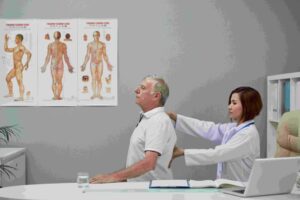
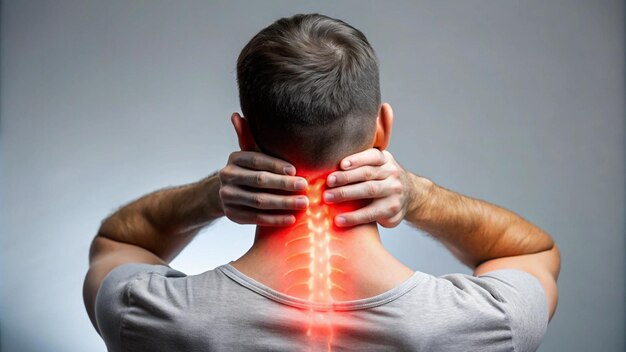
ICD-10 Code M54.2 is the official diagnostic code for Cervicalgia, commonly known as neck pain. This code is used in medical documentation and billing to identify patients who experience pain originating from the cervical spine — the upper part of the backbone that supports the neck.
Neck pain is incredibly common worldwide, especially in the United States where millions of people seek medical care every year due to discomfort, stiffness, or mobility issues in the neck region. It may be mild and temporary or persistent and debilitating enough to interfere with daily activities, work performance, and sleep quality.
Healthcare providers, including primary care physicians, orthopedic specialists, chiropractors, neurologists, physical therapists, and pain management clinics, frequently use M54.2 when documenting clinical visits. The code helps ensure accurate diagnosis, effective treatment planning, and proper insurance billing.
What Does ICD-10 M54.2 Represent?
When a doctor assigns ICD-10 Code M54.2, it means the primary issue is non-specific neck pain. In other words, the patient is experiencing cervical pain but it is not yet linked to a more specific condition, such as:
- Spinal fractures
- Disc herniation
- Tumors
- Inflammatory diseases
- Post-operative complications
This makes M54.2 a general yet billable diagnosis code used widely in healthcare.
Neck pain may involve:
- Localized discomfort
- Muscle tightness or tenderness
- Burning or aching sensations
- Restricted neck movement
- Pain spreading to shoulders or upper back
In many cases, the pain results from muscle strain, posture problems, stress, or degenerative changes within the cervical spine.
Why Neck Pain Is So Common Today
Modern lifestyles play a major role in the rising number of neck-pain cases. Many Americans spend long hours:
- Working on laptops
- Looking down at smartphones
- Driving
- Sitting with poor posture
- Sleeping on unsupportive pillows
These daily habits place continuous stress on the neck muscles and joints. Over time, the cervical spine becomes strained, stiff, or inflamed — leading to pain, headaches, or reduced motion.
Age-related changes also contribute. As people grow older, wear and tear may lead to arthritis, cervical spondylosis, or degenerative disc disease, which can trigger chronic neck pain.
Common Symptoms of Cervicalgia (M54.2)
Patients who fall under this diagnosis may experience:
- Sharp or dull neck pain
- Pain triggered by movement
- Muscle tightness
- Stiff or “locked” neck
- Headaches starting from the neck
- Tenderness around neck muscles
- Pain radiating to shoulder or upper back
Some also report:
- Difficulty turning the head
- Trouble sleeping due to pain
- Reduced work productivity
If symptoms extend to numbness, weakness, or tingling in arms or hands, further investigation is usually needed to rule out nerve compression.
When Should a Patient Seek Medical Attention?
While mild neck pain often improves with self-care, medical evaluation is important if:
- Pain lasts longer than two weeks
- Symptoms progressively worsen
- Pain follows an accident or fall
- Numbness or weakness develops
- Headaches become severe
- Daily functioning is affected
Emergency care is required if neck pain is accompanied by:
- High fever
- Loss of bladder or bowel control
- Sudden severe weakness
- Trauma or suspected fracture
Early consultation helps prevent complications and ensures accurate diagnosis.
How Doctors Diagnose Neck Pain
Healthcare providers begin with:
- Medical history
- Physical examination
- Symptom review
They may assess:
- Range of motion
- Muscle tenderness
- Nerve function
- Posture
- Alignment
If more serious causes are suspected, tests may include:
- X-ray
- MRI scan
- CT scan
- Nerve studies
- Blood tests
Once confirmed as non-specific neck pain, ICD-10 M54.2 is typically applied.
ICD-10 M54.2 and Medical Billing in the USA
In the U.S. healthcare system, accurate coding ensures correct insurance processing and reimbursement. M54.2 is a billable ICD-10 code, meaning providers can use it as a primary diagnosis on claims.
It is commonly used in:
- Office consultations
- Follow-up visits
- Physical therapy notes
- Chiropractic documentation
- Pain clinic claims
Accurate coding:
- Supports continuity of care
- Prevents claim denials
- Helps track patient outcomes
- Maintains medical compliance
Because insurance providers rely heavily on ICD-10 codes, choosing the correct diagnosis is critical.
Treatment Options for Neck Pain
Treatment varies depending on the severity and cause. Common approaches include:
Conservative Care
- Rest and posture changes
- Heat or ice therapy
- Over-the-counter pain relievers
- Stretching and mobility exercises
Physical Therapy
A therapist may guide:
- Strengthening exercises
- Manual therapy
- Posture correction
- Ergonomic guidance
Chiropractic or Manual Therapy
Gentle adjustments may help reduce pain for some patients.
Medications
Doctors may prescribe anti-inflammatory or muscle-relaxing medications when appropriate.
Lifestyle Adjustments
- Ergonomic workstations
- Proper chair support
- Screen height correction
- Stress reduction
- Regular movement breaks
Advanced Care
Severe or persistent cases may require specialist referral or pain management interventions.
Surgery is rare and typically considered only when nerve compression or structural damage exists.
Preventing Neck Pain
Simple steps can significantly decrease the risk of cervical pain:
- Maintain upright posture
- Keep screens at eye level
- Avoid holding phones between ear and shoulder
- Take frequent standing breaks
- Use a supportive pillow
- Exercise regularly
- Strengthen neck and upper-back muscles
Small ergonomic improvements often make a big difference.
Who Is Most at Risk?
Neck pain is especially common among:
- Office and remote workers
- Drivers
- Healthcare workers
- Athletes
- Labor workers
- Aging adults
- People with stress-heavy lifestyles
Sedentary routines and technology use continue to increase the number of affected individuals each year.
Frequently Asked Questions
What does ICD-10 M54.2 mean?
It refers to Cervicalgia — non-specific neck pain.
Is M54.2 a billable code?
Yes, it is fully billable in the USA.
Does it include nerve pain?
No — if nerve compression exists, a different code may be required.
Can neck pain improve on its own?
Many mild cases improve with rest, therapy, and posture correction.
Final Summary
ICD-10 Code M54.2 identifies neck pain originating from the cervical spine, also known as cervicalgia. It is widely used in U.S. clinical documentation and insurance billing to record patient visits related to neck discomfort, stiffness, or strain. Neck pain is extremely common today due to posture habits, stress, and aging changes, but with proper diagnosis, treatment, and lifestyle support, most patients experience meaningful relief.
Understanding this code helps healthcare providers, billing teams, and patients communicate clearly about the condition — ensuring accurate care and reimbursement while supporting long-term spinal health.