ICD-10 G47.33 is the ICD-10-CM diagnosis code for obstructive sleep apnea (adult) (pediatric). Use it when the provider documents a confirmed OSA diagnosis (often supported by a sleep study) and the type is obstructive—not central or unspecified. Always verify code selection in the ICD-10-CM tabular list and official guidelines.
What is OSA?
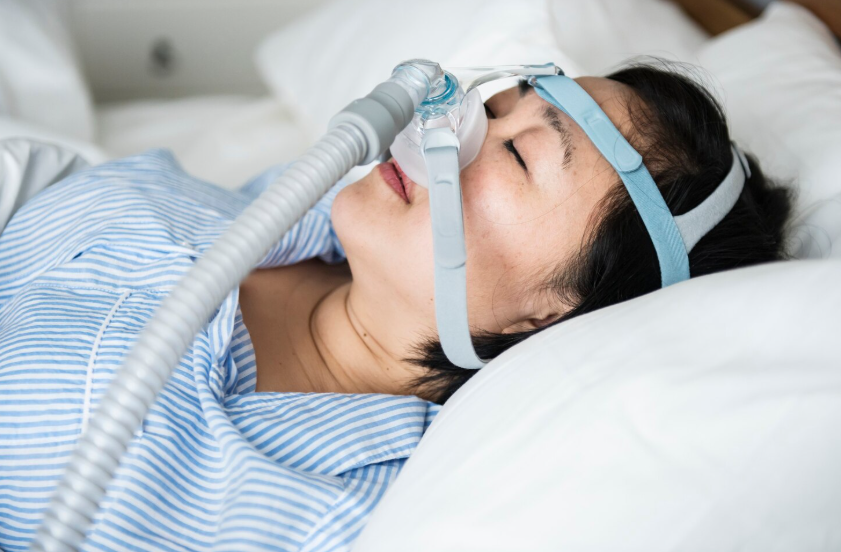
Obstructive sleep apnea (OSA) is a sleep-related breathing disorder where airflow is reduced or stops due to upper airway collapse/obstruction during sleep. It’s typically associated with repeated apneas/hypopneas and sleep fragmentation. This is general education—not medical advice for any individual patient.
When to code G47.33 (documentation-driven rules; provider diagnosis required)
Code G47.33 when the provider documents obstructive sleep apnea as a diagnosis for that encounter and the documentation supports the condition being evaluated/managed. Coding should be based on provider documentation and validated in the ICD-10-CM tabular list and official coding guidelines—not inferred from symptoms alone.
Practical rules coders and billers can apply
- Provider diagnosis is required: A sleep study result by itself doesn’t automatically equal a coded diagnosis unless the provider interprets it and documents OSA (or the documentation otherwise establishes the diagnosis per your organization’s policy and coding standards).
- Choose the correct “type”: If documentation says “sleep apnea” without specifying obstructive vs central, don’t automatically assign G47.33—consider whether an unspecified code is more accurate and verify in ICD-10-CM. (Commonly referenced alternatives include sleep apnea, unspecified and central sleep apnea codes; validate exact selections in the tabular list and your coding references.)
- Use G47.33 for both adult and pediatric OSA when documented as obstructive.
- Don’t “upgrade” based on severity: ICD-10-CM G47.33 does not split by mild/moderate/severe in the code descriptor itself; severity is still important for medical necessity and treatment documentation. (If you need a severity-linked code, verify whether your coding reference/guidelines indicate any applicable additional codes—don’t assume.)
If uncertain: default to “verify in the ICD-10-CM tabular list + official guidelines.”
Common documentation checklist (for clean coding + fewer denials)
Strong documentation for G47.33 connects the diagnosis to objective testing and a clear treatment plan. The goal is to support diagnosis coding, medical necessity, and downstream RCM steps (sleep testing, PAP therapy, referrals, DME).
Use this checklist as a quick standard:
1) Sleep study reference (when available/clinically relevant)
- Sleep study type noted (e.g., PSG or HSAT) and date
- Key interpreted findings referenced in the provider note (not just scanned report)
- If applicable, titration study documentation or PAP trial plan
2) Diagnosis statement (must be explicit)
- “Obstructive sleep apnea” documented in the Assessment/Problem List
- Avoid ambiguity like “rule out OSA” unless the intent is evaluation only (then code symptoms/reason for test per documentation and guidelines)
3) Severity/context (helps medical necessity, not always code selection)
- Severity described if known (mild/moderate/severe) and how it was determined
- Daytime symptoms and functional impact when relevant to plan of care
4) Comorbidities and related conditions (only if documented/assessed)
- Documented conditions that affect management (e.g., obesity, hypertension, cardiopulmonary disease)
- Any relevant anatomical contributors or ENT findings when assessed
5) Treatment plan
- Plan for PAP therapy, oral appliance referral, weight management counseling, ENT referral, follow-up timeline
- Patient education and adherence plan when applicable
Why this matters: Payers and auditors often look for a clean story: diagnosis → evidence/testing → plan. Medicare coverage guidance for CPAP describes OSA context and the role of PAP therapy; documentation typically needs to support medical necessity and coverage requirements.
Coding pitfalls & denial triggers (and how to avoid them)
Most denials around OSA aren’t because G47.33 is “wrong,” but because documentation and claim context don’t support the diagnosis, testing, or equipment. Here are common pitfalls medical groups and hospitals see:
Pitfall 1: Coding G47.33 when the record only shows “snoring” or “sleep disturbance”
Avoid it: If OSA is not diagnosed, code the documented symptom/reason for visit/testing per guidelines and verify in ICD-10-CM. Don’t infer OSA from risk factors alone.
Pitfall 2: Using G47.33 when the type is not specified
Avoid it: If documentation only says “sleep apnea,” clarify whether it is obstructive vs central vs unspecified. If you can’t clarify from the record, choose the most accurate code based on documentation and verify in the tabular list.
Pitfall 3: Sleep study exists, but provider note doesn’t document the diagnosis
Avoid it: Ensure the interpreting provider or treating clinician documents the final diagnosis (e.g., “OSA confirmed”) and links it to the plan. Build a workflow step for “results review” documentation.
Pitfall 4: Missing linkage between diagnosis and ordered services (medical necessity edits)
Avoid it: Make sure the claim’s diagnosis set supports the ordered services (sleep testing, follow-ups, PAP-related visits). Keep documentation aligned: assessment and plan should reflect why the service is ordered.
Pitfall 5: DME/PAP documentation gaps (coverage requirements not met)
Avoid it: For PAP and related supplies, documentation requirements can be strict (orders, evaluation, qualifying test, continued use). Keep orders and visit notes complete and consistent. Medicare and MAC guidance frequently emphasize documentation of qualifying sleep study criteria and clinical evaluation for beneficiaries.
RCM/Billing workflow tips (prior auth/DME notes—high level)
A smooth OSA revenue cycle depends on aligning diagnosis coding (G47.33), orders, testing documentation, and DME workflows early—before claims hit payer edits. No payer-specific promises here; requirements vary, so use your payer portals and MAC guidance.
Practical workflow tips clinics can implement
- Front-end verification: Confirm benefits for sleep studies and DME; check whether prior authorization is required for HSAT/PSG or PAP equipment (varies widely by payer).
- Order hygiene: Ensure orders include diagnosis, test type, and ordering provider details; confirm sleep lab/DME has what they need to avoid back-and-forth.
- Documentation packet readiness: Standardize a “sleep apnea packet” for billing/DME that includes: diagnosis note, sleep study interpretation reference, clinical evaluation note, and signed order.
- DME coordination: If your clinic coordinates PAP devices, align clinical documentation with supplier requirements and keep a clean audit trail (orders, education, follow-up).
- Denial prevention loop: Track denial reasons (authorization, medical necessity, documentation) and feed them back to ordering providers and scheduling staff.
CMS materials describe CPAP therapy in the context of obstructive sleep apnea and coverage evidence; MAC documentation guidance can also be relevant for DME billing workflows.
FAQs
What is ICD-10 G47.33?
ICD-10 G47.33 is the ICD-10-CM diagnosis code for obstructive sleep apnea (adult) (pediatric). Use it when the provider documents confirmed obstructive sleep apnea and you verify in the ICD-10-CM tabular list.
What is the ICD-10 code for obstructive sleep apnea?
The ICD-10 code for obstructive sleep apnea is G47.33 when the diagnosis is documented as obstructive sleep apnea (adult or pediatric). Validate code choice using ICD-10-CM references and guidelines.
Is OSA ICD-10 always G47.33?
Often, yes—but only when documentation specifies obstructive sleep apnea. If the record says “sleep apnea” without specifying type, don’t assume; verify in the ICD-10-CM tabular list and consider whether an unspecified or other type code is supported.
Can I code G47.33 based only on a sleep study report?
Coding should follow provider documentation and coding standards. A sleep study supports the diagnosis, but the provider’s assessment/diagnosis statement and plan should clearly document OSA for clean coding and billing.
What documentation supports G47.33 obstructive sleep apnea?
Support typically includes a clear OSA diagnosis statement, reference to sleep testing (when available), relevant symptoms/context, and a treatment plan (e.g., PAP therapy plan). Documentation expectations can also affect coverage for PAP devices.
What causes denials for OSA claims?
Common triggers include missing prior authorization (where required), incomplete documentation of diagnosis/testing, mismatched diagnoses to services (medical necessity edits), and DME documentation gaps. Requirements vary—confirm payer policies and MAC guidance.
Does severity (mild/moderate/severe) change the ICD-10 code?
G47.33’s descriptor does not separate by severity, but documenting severity can support medical necessity, treatment decisions, and follow-up planning. If unsure, verify in ICD-10-CM tabular list and guidelines.
What’s the difference between obstructive and central sleep apnea for coding?
Obstructive sleep apnea is due to upper airway obstruction during sleep, while central sleep apnea involves different physiology and is coded differently. Ensure documentation specifies the type before selecting the code.
Conclusion
ICD-10 G47.33 is the correct choice when the provider documents obstructive sleep apnea and your team verifies the code in the ICD-10-CM tabular list and official guidelines. Clean claims depend on clear diagnosis language, sleep study interpretation linkage, and a documented plan—especially when sleep testing and PAP/DME workflows are involved.